
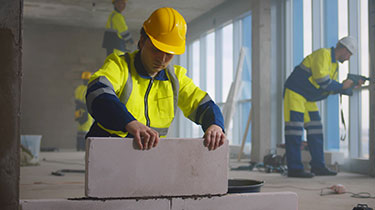
Renovating your office or upgrading a commercial property is an exciting time and that final result can feel even better when you are saving some tax on it.
Whether you are undertaking a full office fit-out or modernising your workspace, the tax relief available through capital allowances can reduce your overall costs if claimed correctly.
What are capital allowances for office renovations?
When businesses incur renovation costs, it is important to distinguish between repairs and capital expenditure.
Repairs are usually treated as revenue expenses and deducted through the profit and loss account.
However, many office fit-out or refurbishment costs are capital in nature.
Capital expenditure is recorded as a fixed asset in your accounts.
Although it does not reduce profit immediately, it may qualify for capital allowances and allow you to offset qualifying costs against taxable profits.
Qualifying items can include:
- Fixtures and fittings
- Lighting and electrical systems
- Heating, ventilation and air conditioning
- Plumbing
- Integral features within the building
- Bespoke trade installations
Even where costs are included within a larger construction contract, parts of the substructure works may still qualify.
This is why a detailed cost breakdown from contractors is essential to be able to spot these opportunities.
Why is managing capital allowances important?
Capital allowances can directly reduce your tax liabilities and failing to claim them means you are paying more Corporation Tax or Income Tax than necessary.
The Annual Investment Allowance (AIA) currently allows businesses to deduct up to £1 million of qualifying plant and machinery expenditure in the year of purchase.
If your qualifying spend falls within this threshold, you will be able to claim 100 per cent tax relief immediately.
Also, certain assets may qualify for First Year Allowances (FYAs) and provide relief in the year the expenditure is incurred.
However, FYAs must be claimed in the correct accounting period. If this is missed, relief may still be available through Written Down Allowances (WDAs), but this does spread the deduction over time.
Careful planning and the right financial support can help you maximise available reliefs and improve your cash flow during or after your renovation project.
What are commonly missed capital allowance opportunities?
Many businesses overlook capital allowance opportunities due to incomplete documentation or a misunderstanding of the rules.
Frequently missed items include:
- Demolition and strip-out costs
- Professional fees such as architects, surveyors, engineers and legal fees
- Electrical and data cabling
- Security systems
- Specialist industry-specific installations
A common misconception is that refurbishment costs are always non-claimable because they are capitalised. However, many integral features and functional improvements qualify.
Even retrospective reviews of complete projects can uncover missed reliefs and lead to tax savings or repayments.
What are the types of capital allowance pools?
Capital allowance claims generally fall into three main categories:
- Main pool – Standard plant and machinery
- Special rate pool – Long-life assets and integral features
- Structures and Buildings Allowance (SBA) – Structural construction or renovation costs
Correctly allocating expenditure between these pools is crucial for your claim to be compliant.
How can we support your capital allowance claim?
Office fit-outs and commercial renovation can be expensive enough and don’t let poor capital allowance planning leave you with unclaimed tax relief.
Our professional advisers can spot any hidden qualifying assets, prepare detailed capital allowance reports, submit compliant claims and support you with any HMRC enquiries.
Capital allowance legislation is scrutinised by HMRC and errors in classifications or insufficient evidence can lead to denied claims or penalties.
When capital allowances are claimed correctly, you can turn your commercial investment into meaningful tax savings.