
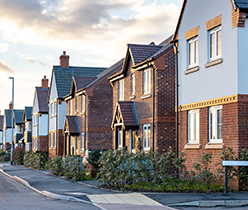
For homebuyers, from 23 September the level at which people start paying stamp duty land tax was raised from £125,000 to £250,000.
For first-time buyers in England and Northern Ireland, they will not pay any stamp duty on properties up to £425,000 – the previous threshold was £300,000.
The maximum value of a property on which first-time buyers can claim relief also increased from £500,000 to £625,000.
The new SDLT rates when purchasing residential property are now:
| Property value | SDLT rate |
| Up to £250,000 | 0 per cent |
| £250,000 – £925,000 | 5 per cent |
| £925,000 – £1,500,000 | 10 per cent |
| Above £1,500,000 | 12 per cent |
Where surcharges apply
For those who are purchasing a second property or further properties, an extra three per cent surcharge applies.
Anyone buying an additional residential property for £40,000 or more has to pay the surcharge, whether it’s a holiday home or a buy-to-let.
The surcharge is added to each rate of SDLT and, therefore, increases for more expensive properties.
For example:
| Property value | SDLT rate |
| Up to £250,000 | 3 per cent |
| The next £675,000 (difference between £250,001 to £925,000) | 8 per cent |
| The next £575,000 (difference between £925,001 to £1.5 million) | 13 per cent |
| The remaining amount (difference between £1.5 million) | 15 per cent |
For landlords considering multi-property purchases, they can make SDLT savings by buying more lower priced properties with a lower stamp duty rate, rather than say a property above £1.5 million, where higher charges apply. However, they should be aware of the ‘linked transaction rules which may treat the purchases as one transaction.
The new rules on Stamp Duty apply until April 2025.
SDLT is a devolved issue for Scotland and Wales where separate rules apply.
House prices continue to rise but the growth rate slows
House prices continue to grow, despite rising inflation and the cost-of-living crisis, according to new data from the Office for National Statistics (ONS).
The average house price for June stood at £280,000, but some estate agents are warning that buyer demand is starting to wane, and home sellers will eventually have to adjust their price expectations.
£20,000 year-on-year increase
The latest house price data for June 2022 published by HM Land Registry (HMLR) shows average prices across the UK increased by 7.8 per cent in the year to June 2022, down from 12.8 per cent in the year to May 2022.
The rise is still a £20,000 increase over the same period last year, says the survey.
In London, house prices have grown by 6.3 per cent in the last 12 months – 1.5 per cent lower than the national average of 7.8 per cent.
Average house prices increased over the year in England to £305,000 (7.3 per cent), in Wales to £213,000 (8.6 per cent), in Scotland to £192,000 (11.6 per cent) and in Northern Ireland to £169,000 (9.6 per cent).