
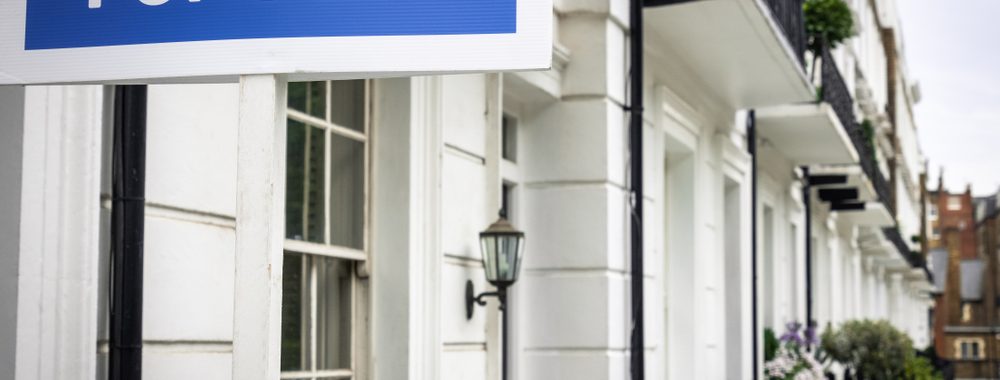
If you are set to inherit property, an increase in general property prices might seem like a good thing.
However, be warned that this could complicate the probate process and lead to you being liable to pay more Inheritance Tax (IHT).
Fluctuations in the property market have seen house prices soar across the UK, with the average house price increasing by 7.8 per cent in the year to June 2022, according to the ONS.
HM Revenue & Customs (HMRC) revealed that IHT receipts for the period between July-August stood at £2.9 billion – up 11 per cent or £0.3 billion higher than the previous year.
How does property contribute to the estate?
In most cases, the property will be the most valuable asset of the estate, so a rise in the price of that property could bring the overall value of the estate above the tax-free IHT threshold.
You should be aware that any savings, possessions, and gifts that the deceased made in the seven years before their death also contribute to the estate’s value.
Before you can apply for probate, you must get a full valuation for the estate, which can also give an indicator of whether tax will be due.
Generally, if the estate is valued above the Nil-Rate Band threshold of £325,000, the standard rate of 40 per cent IHT will be due, unless other reliefs are applied.
How can we help?
The stress of dealing with an estate, and applying for probate, can be overwhelming.
You don’t want to be worrying about whether you have accidentally underpaid any tax you owe, which is where we can help.
We can guide you through the probate process to make it as stress-free as possible, from preparing the valuation, to distributing the assets.
As tax experts, we can also advise on whether you owe IHT, as well as ensure this is paid on time, to avoid any unexpected fines.